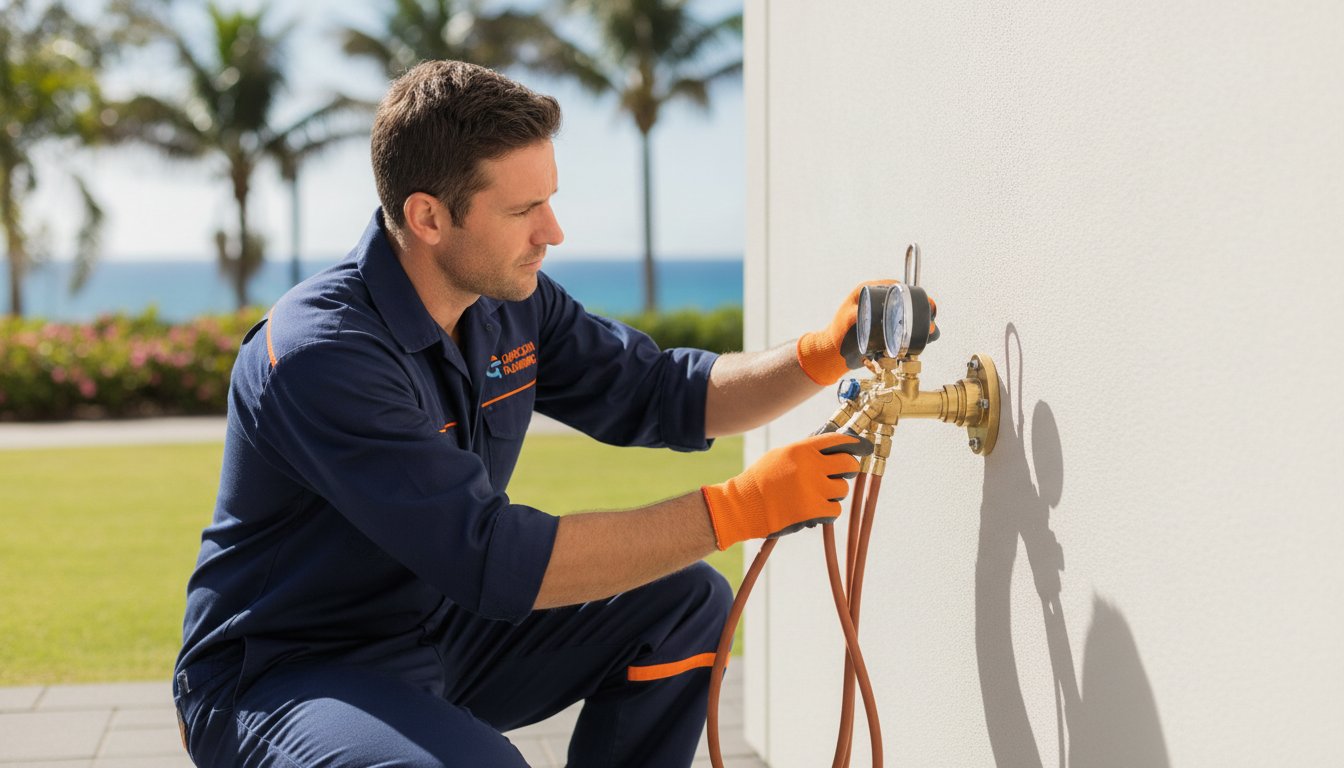
Backflow Prevention Testing Yeppoon: Your Guide to Annual Compliance
Have you ever considered that a minor drop in mains pressure could result in fertilisers, chemicals, or bacteria being sucked directly into your property's drinking water? While most owners only think about their plumbing when a pipe bursts, the reality of backflow prevention testing Yeppoon is that it's a critical safety barrier designed to protect your family or tenants from serious health risks. It's completely understandable if you feel a bit overwhelmed when a compliance notice from Livingstone Shire Council arrives in the mail, especially when technical jargon makes a mandatory maintenance task feel like a legal headache.
We're here to simplify the process and ensure your property stays fully compliant without the risk of heavy fines or water contamination. This guide explains exactly what your annual obligations are under the Plumbing and Drainage Regulation 2019 and how to manage your Form 9 lodgements correctly. You'll learn why these mechanical valves fail, what our licensed specialists look for during an inspection, and how we handle the council paperwork so you can get back to business with total peace of mind.
Key Takeaways
- Understand your legal obligations under the Plumbing and Drainage Act 2018 to prevent water contamination and avoid potential council fines.
- Learn how professional backflow prevention testing Yeppoon specialists ensure your property meets Livingstone Shire Council requirements with minimal disruption to your water supply.
- Discover how different devices like RPZDs and Double Check Valves act as mechanical barriers to keep pollutants and chemicals out of your drinking water.
- Prepare for your annual inspection by knowing exactly what to expect, including the brief water outage and the critical mechanical checks performed on-site.
- Ensure your compliance is recorded correctly by understanding the QBCC Form 9 lodgement process and council registration requirements.
Backflow Prevention in Yeppoon: Why Annual Testing is Mandatory
Backflow is essentially the "wrong way" flow of water. In a healthy system, water travels under pressure from the Livingstone Shire Council mains into your property. However, certain hydraulic conditions can cause this flow to reverse, potentially pulling contaminated water from your site back into the public drinking supply. This is why a backflow prevention device is installed at the boundary or at specific high-risk points within your plumbing. Under the Plumbing and Drainage Act 2018, any property with a testable device is legally required to undergo annual backflow prevention testing Yeppoon to ensure these mechanical barriers haven't seized or failed.
In our local area, several types of properties are strictly monitored. If you operate a commercial kitchen, a medical centre, or have a large-scale irrigation system installed on the Capricorn Coast, you almost certainly have a testable device. Livingstone Shire Council maintains a central registry of every testable valve in the region. They track the serial numbers, locations, and the date of the last successful test. If your property is on this list, you're responsible for ensuring a licensed plumber with a backflow endorsement inspects the unit every 12 months.
The Risk of Cross-Connection on the Capricorn Coast
Plumbing systems are vulnerable to two main types of backflow: back-siphonage and back-pressure. Back-siphonage occurs when there's a sudden drop in mains pressure, perhaps due to a burst water main in the Yeppoon CBD or heavy demand during a nearby fire emergency. This creates a vacuum effect, sucking water from your pipes back into the street. Back-pressure happens when a downstream source, like a high-pressure pump or a boiler, exceeds the pressure of the council mains. Without a working valve, chemicals, fertilisers, or bacteria could enter the Keppel Bay water catchment, posing a significant public health risk.
Livingstone Shire Council Compliance Notices
Most owners first realise their testing is due when a compliance notice arrives from the council. This letter usually includes a "Form 9" reminder. It's vital not to ignore these notices. The council typically provides a specific timeframe for compliance, and failing to lodge a passing test result can lead to substantial fines or even the restriction of your water supply. When we perform your annual test, we act as your authorised representative. We don't just check the valve; we handle the technical paperwork and lodge the completed Form 9 directly with the council to clear your notice and keep your property's status as fully compliant.
How Backflow Prevention Devices Protect Your Property
A backflow prevention device is a sophisticated mechanical assembly, not a simple "set and forget" pipe fitting. Unlike a standard non-return valve, these units are engineered with precision moving parts, including spring-loaded check valves and differential pressure relief ports. Their job is to act as a fail-safe. If the pressure in the council mains drops or the pressure on your property spikes, these internal components must move instantly to seal off the supply. Because these parts are constantly submerged and under tension, they are prone to natural wear and tear that can't be seen from the outside.
In our Yeppoon coastal environment, the salt air and local water chemistry play a significant role in the lifespan of these devices. While the heavy brass body of a valve might last a decade, the internal stainless steel springs and rubber gaskets often have a shorter functional life. We typically see internal components needing service or replacement every three to five years to maintain compliance. Relying on a standard non-return valve for high-risk connections is a common mistake; these basic valves can't be tested for internal failure and offer no redundancy if a small piece of grit prevents them from sealing. If you aren't sure which device is currently protecting your boundary, you can request a professional assessment to verify your site's safety.
Back-Siphonage vs. Back-Pressure
Water flow reversal happens in two distinct ways. Back-siphonage is a vacuum effect, often caused by a burst water main down the street or high demand from fire services, which literally sucks water backwards. Think of a local car wash where chemicals are in use; without protection, those suds could be pulled into the drinking water. Back-pressure occurs when a downstream source, like a booster pump in a multi-storey apartment block on the beachfront, creates higher pressure than the council mains, pushing water back the wrong way. Specific devices are engineered to sense these pressure differentials and vent the water safely before it crosses the boundary.
Common Causes of Device Failure
The most frequent issue we encounter during backflow prevention testing Yeppoon is debris. Small amounts of sediment or scale from the mains can become lodged in the valve seating, preventing a watertight seal. Additionally, rubber O-rings and seals eventually perish or lose their elasticity, especially when exposed to fluctuating water temperatures. Mechanical fatigue is also a factor; over time, the internal springs can lose the tension required to snap the check valves shut during a pressure drop, which is why annual testing is the only way to confirm the device will actually work when needed.
Comparing Backflow Device Types: RPZD, DCV, and Air Gaps
Selecting the right protection for your property depends entirely on the hazard level of the activities conducted on-site. Australian Standards (AS/NZS 3500.1) categorise these risks into three tiers: High, Medium, and Low. A high-hazard site, such as a chemical processing plant or a dental surgery, requires a far more robust mechanical barrier than a low-hazard residential property. It's vital to match the device to the risk; installing an insufficient valve doesn't just risk a council fine, it leaves the community's drinking water vulnerable. While many properties have basic non-testable valves, only testable devices require the annual backflow prevention testing Yeppoon residents must lodge with the council.
We often distinguish between boundary protection and zone protection. Boundary protection is the valve installed right at your water meter to protect the town's mains from your entire property. Zone protection involves installing additional valves within a facility to isolate specific high-risk areas, like a commercial laundry or a laboratory, from the rest of the building's potable water. Managing both levels of protection ensures that even if a failure occurs within your internal plumbing, the risk is contained before it reaches the street.
Reduced Pressure Zone Devices (RPZD)
The RPZD is considered the "Gold Standard" for high-hazard protection. These units are common in commercial Yeppoon properties where there's a genuine risk of toxic substances entering the water line. What makes an RPZD unique is its central relief valve. If either of the two internal check valves fails or if there's a pressure fluctuation, the relief port will physically dump water onto the ground. This provides a visual fail-safe; if you see your RPZD constantly dripping or gushing water, it's telling you the device is doing its job but requires immediate maintenance. These must be installed in accessible locations with plenty of clearance and adequate drainage to handle the relief port's discharge.
Double Check Valves (DCV) and Single Checks
A Double Check Valve (DCV) is the go-to solution for medium-hazard scenarios, such as fire service lines or certain light commercial applications. It contains two independent check valves but lacks the atmospheric relief port of an RPZD. While effective, it won't give you a visual warning if it fails, which is why annual backflow prevention testing Yeppoon is so critical for these units. In contrast, most residential homes only have a non-testable single check valve at the meter. These are sufficient for low-risk domestic use, but we often advise property owners with large rainwater tank cross-connections or home-based businesses to consider upgrading to a testable DCV for superior property protection and peace of mind.

The Backflow Testing Process: What to Expect on Site
When we arrive for your annual backflow prevention testing Yeppoon, the first thing we'll do is notify you or your staff before shutting off the water. This outage is usually brief, typically lasting between 10 and 20 minutes per device, but it's essential to isolate the valve for an accurate reading. We start with a thorough visual inspection. We're looking for external signs of trouble like heavy corrosion on the brass body, weeping leaks from the relief port, or any illegal bypasses that might have been installed by an unlicensed person. Any physical damage to the assembly can compromise the internal mechanics before we even connect our tools.
Once the unit is isolated, we connect a specialised differential pressure gauge to the test cocks. This isn't a standard pressure gauge; it's a precision instrument designed to measure the minute pressure differences between the check valves. We meticulously record the opening pressures and verify the seal integrity of each internal component. This data is the backbone of your council report, proving the device is mechanically sound and capable of preventing a cross-connection. If your annual compliance deadline is approaching, you can book your backflow test today to ensure your water supply remains safe and council-approved.
Using Calibrated Testing Equipment
Accuracy is non-negotiable when it comes to public health. We use NATA-calibrated gauges to ensure every reading is spot on, as even a minor calibration error can lead to a false pass or an unnecessary failure. One of the most important metrics we measure is the "cracking pressure" of the check valves. Cracking pressure is the minimum pressure required to open the valve. If the springs have weakened or the seals are sticky, the cracking pressure will fall outside the acceptable range defined by Australian Standards, indicating a potential failure that needs to be addressed immediately.
Repairs and Re-Testing
If a device fails the initial pressure test, it doesn't always mean you need a brand-new valve. Often, a simple clean-out of the internal chambers is enough to remove grit or scale that's preventing a watertight seal. In other cases, we might need to perform a full seal replacement or swap out a fatigued spring. We carry a wide range of common spare parts in our service vans to handle these repairs on the spot, which avoids the cost and hassle of a return visit. Once the repair is complete, we perform a secondary test to ensure the device is fully compliant before we pack up and leave your property.
Maintaining Compliance: Council Reporting with CQR Plumbing
Completing the physical inspection of your valves is only half the battle. The administrative side of compliance is what ultimately keeps your property out of hot water with the authorities. Once we've verified that your devices are functioning correctly, we move straight to the paperwork phase by completing the QBCC Form 9. This document is the official record of the device's performance and is required by law. In Queensland, a licensed person must provide these results to the local government within 10 business days of the test. We handle this electronic lodgement with Livingstone Shire Council on your behalf, ensuring your property is correctly marked as compliant on their central registry.
While we manage the formal reporting, it's a smart move for property owners to keep a copy of these test results on-site. This is especially relevant for commercial premises or strata managers who may be subject to workplace health and safety audits. Having a clear, chronological log of your backflow prevention testing Yeppoon history demonstrates a proactive approach to risk management and site safety. To take the stress out of the process, we maintain a secure database of our clients' testing schedules. We'll send you an annual reminder well before your next certificate is due, so you never have to worry about missing a deadline or receiving a council follow-up notice.
Integrated Compliance: Backflow and TMV Testing
For many Yeppoon facilities, backflow valves aren't the only specialised components that require regular certification. Aged care centres, schools, and hospitality venues often have Thermostatic Mixing Valves (TMVs) that require their own set of six-monthly or annual checks. It's far more efficient to combine these tasks into a single site visit for all your Specialised Compliance Testing. This integrated approach significantly reduces disruption to your daily operations and ensures that all high-risk water systems are maintained to Australian Standards in one go. It's a logical way to manage maintenance that saves time for facility managers and business owners alike.
Why Choose CQR Plumbing for Yeppoon Compliance?
We are a locally owned business with a deep commitment to the Capricorn Coast community. When you work with us, you're dealing with professionals who understand the specific regulatory environment of the Livingstone Shire. We believe in a transparent approach to service, which is why our pricing is straightforward. We don't hide "lodgement fees" or administrative surcharges in the fine print; the quote you receive is what you pay for a professional, compliant result. If you want the peace of mind that comes with knowing your property's water safety is in expert hands, request a quote for your annual backflow test today. We'll ensure your backflow prevention testing Yeppoon is handled with the efficiency and accuracy your property deserves.
Secure Your Property’s Compliance and Water Safety
Maintaining your plumbing systems shouldn't be a source of stress. By understanding the mechanical risks of back-siphonage and the strict requirements of the Livingstone Shire Council, you're already ahead of the game. Remember that annual testing isn't just a box-ticking exercise; it's a vital safety measure that protects the Keppel Bay catchment from contamination. Ensuring your backflow prevention testing Yeppoon is completed by Licensed Backflow & TMV Specialists means your Form 9 reporting is handled correctly and your water supply remains secure.
As a Livingstone Shire Council registered business, we take the administrative burden off your shoulders by managing the entire lodgement process and providing 24/7 emergency support for any device failures. Don't wait for a penalty notice to arrive in the mail. Take a proactive approach to your site maintenance and keep your property running smoothly without interruption.
Book your annual backflow test with CQR Plumbing today to ensure total peace of mind for your business or facility. We’re ready to help you stay compliant and safe all year round.
Frequently Asked Questions
Is backflow testing compulsory for all Yeppoon homes?
No, annual testing is only mandatory for properties that have a testable backflow prevention device installed. Most standard residential homes use a non-testable valve at the water meter, which doesn't require yearly certification. However, if your property has high-risk features like a large irrigation system, a swimming pool connected to the mains, or certain home-based commercial activities, you likely have a testable device that must be inspected by law.
How much does a backflow prevention test cost in Central Queensland?
The total cost depends on several factors, including the number of devices on your property and how easily they can be accessed. You also need to account for the mandatory Livingstone Shire Council lodgement fee that applies to every Form 9 submission. We focus on providing clear, upfront quotes for all compliance work so you know exactly what the investment is before we start the job.
How long does a backflow test take and will my water be turned off?
A standard test typically takes between 10 and 20 minutes per device. We do need to shut off your water supply briefly during this window to isolate the valve and connect our calibrated testing gauges. We'll always coordinate the timing with you beforehand to ensure there's minimal disruption to your household or business operations while we verify the safety of your system.
Can any plumber perform backflow testing in Yeppoon?
No, only a licensed plumber who holds a specific backflow endorsement from the QBCC can legally perform this work. Backflow prevention testing Yeppoon requires specialised training and the use of NATA-calibrated equipment to ensure the results meet Australian Standards. Always verify that your chosen plumber has the correct endorsements before they begin, or the council will not accept the test results.
What happens if my backflow device fails the annual test?
If a device fails, it's usually because grit has entered the valve or the internal rubber seals have perished. We can often fix the issue on the spot by stripping the valve down, cleaning the internal chambers, and replacing the seals or springs. We carry a range of common spare parts in our service vans to perform these repairs immediately, followed by a secondary test to confirm compliance.
Do I need to send the test results to the council myself?
No, the responsibility for lodging the paperwork lies with the licensed plumber who performs the test. We submit the completed Form 9 electronically to the Livingstone Shire Council within the mandatory 10-business-day timeframe. While we handle the formal reporting to clear your compliance notice, we also provide you with a full copy of the report to keep for your own property maintenance records.
How often do backflow prevention devices need to be replaced?
The main brass body of a backflow device can last for a decade or more, but the internal moving parts have a shorter lifespan. In our coastal environment, we generally find that internal rubber seals and stainless steel springs require replacement every three to five years. Regular backflow prevention testing Yeppoon helps us identify these worn components early, allowing for a simple repair rather than an expensive full-device replacement.
What is the difference between a testable and non-testable backflow device?
A testable device features integrated test points that allow a plumber to connect gauges and measure internal pressure differentials. These are required for medium to high-hazard risks where a failure could be dangerous. Non-testable devices are simpler, one-way valves found on standard domestic connections. While they offer basic protection, they cannot be mechanically verified, which is why they aren't suitable for high-risk commercial or industrial applications.
Disclaimer
The information in this article is provided for general educational purposes only and should not be relied upon as professional plumbing, gasfitting, or legal advice. Every property and plumbing system is different, and the information may not be applicable to your specific circumstances. CQR Plumbing recommends that all plumbing and gasfitting work be inspected and carried out by a licensed professional in accordance with applicable Australian Standards and Queensland regulations. If you require advice specific to your property, please contact CQR Plumbing for an assessment.