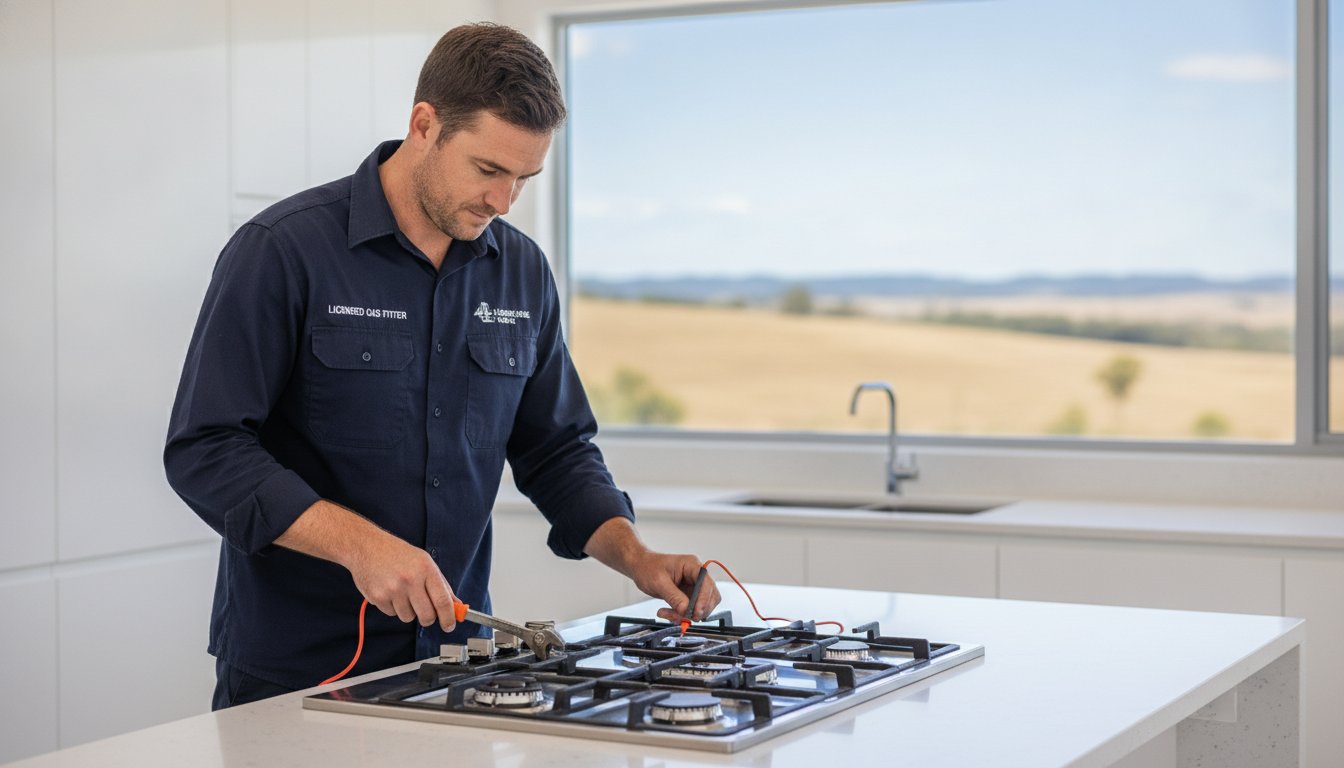
Gas Appliance Repairs Rockhampton: Licensed Experts & Compliance
Imagine you're halfway through cooking dinner when you catch that sharp, unmistakable scent of gas near the cooktop. It's a moment that instantly triggers a sense of dread, leaving you wondering if your family is safe and which local tradie will actually show up on time to help. Dealing with gas appliance repairs Rockhampton wide shouldn't be a source of constant anxiety or confusion over complex state regulations.
We know you want a home that functions reliably without the stress of hidden faults or the risk of unlicensed work. You deserve clear communication and a job done right the first time. This guide will teach you how to identify early warning signs of appliance failure, navigate the mandatory shift to electronic gas compliance certificates in Queensland, and find a licensed professional who prioritises your safety. We'll break down the latest 2026 compliance requirements into plain English, ensuring you have the knowledge to keep your gas systems running efficiently and legally.
Key Takeaways
- Understand why only a QBCC-licensed gas fitter should handle your repairs to avoid voiding home insurance and risking serious safety hazards.
- Learn how to spot early warning signs like yellow flames or soot to determine when you need professional gas appliance repairs Rockhampton wide.
- Discover how the 2026 transition to electronic gas compliance certificates impacts your household record-keeping and legal property obligations.
- Differentiate between the reticulated natural gas networks in the Rockhampton CBD and the LPG bottle setups common in Yeppoon and rural areas.
- Identify where to find your gas compliance plate and how regular servicing prevents the corrosive effects of Central Queensland's humid climate.
Understanding Gas Appliance Repairs & Licensing in Rockhampton
In Queensland, gas work is strictly regulated under the Petroleum and Gas (Production and Safety) Act 2004. This isn't just bureaucratic red tape; it's a critical safety measure designed to protect your home and family. When you're searching for gas appliance repairs Rockhampton, you'll find various tradespeople, but it's vital to understand that not all of them possess the specific legal authority to work on gas systems.
Plumber vs. Licensed Gas Fitter: What Is the Difference?
It's a common misconception that every plumber is automatically a gas fitter. In reality, gas fitting is a distinct, specialised licence category in Queensland. While many professionals hold dual qualifications, a general maintenance plumber might only be licensed for water and drainage work. If they don't hold a specific QBCC gas work licence, they cannot legally touch your gas lines or appliances.
You should always verify a tradesperson’s credentials via the QBCC online licence search before work begins. Licensed gas fitters undergo extensive training to handle high-pressure gas work and the complex commissioning process for new appliances. This expertise ensures that every connection is pressure-tested and compliant with Australian Standard AS/NZS 5601.1.
The dangers of gas leaks are severe, involving risks of fire, explosion, or carbon monoxide exposure. This is why Rockhampton property managers are so strict about hiring licensed trades. They know that using an unlicensed "handyman" for gas work creates a massive liability. If something goes wrong, the property owner is legally responsible. A professional diagnosis from a licensed expert focuses on finding the root cause of a fault, rather than just swapping out parts and hoping for the best.
Insurance and Warranty Implications
Choosing an unlicensed individual for repairs can have devastating financial consequences. If an incident occurs and investigations reveal the work was performed by an unauthorised person, your home insurance provider will almost certainly reject your claim. You could be left facing thousands of dollars in damages with no cover.
Professional servicing also protects your manufacturer’s warranty. Most major brands require proof of licensed installation and repair to honour warranty claims. By hiring a licensed Rockhampton plumber who is also a qualified gas fitter, you receive a valid compliance certificate and a workmanship guarantee. This provides the peace of mind that your appliance is safe, legal, and operating at peak efficiency.
Common Gas Appliance Faults We See in Central Queensland
Living in Rockhampton means our appliances deal with high humidity and, for those closer to the coast, salt air. These environmental factors accelerate corrosion on outdoor units, particularly gas hot water systems. When we're called out for gas appliance repairs Rockhampton wide, we often find that a lack of regular servicing has allowed a minor issue to turn into a complete system failure. Identifying warning signs early can save you from a cold shower or a kitchen that's out of action for days.
A healthy gas flame should always be crisp and blue. If you notice a lazy yellow or orange flame, it's a sign of incomplete combustion, which often leads to soot buildup and increased carbon monoxide levels. Most internal components like burners, gas valves, and igniters have a realistic lifespan of 8 to 12 years. However, in our tropical climate, seals can perish faster and insects often find their way into burner tubes, causing blockages that disrupt the gas-to-air ratio.
Gas Hot Water System Issues
The most common headache for local homeowners is a pilot light that won't stay lit. This is usually down to a faulty thermocouple, a small safety sensor that detects the flame. If the thermocouple fails, it tells the gas valve to shut off for safety. You might also notice fluctuating water temperatures, which often points toward a failing thermostat or a buildup of sediment in the tank. For more complex issues involving tank leaks or major component failures, you can learn more about our Hot Water System Repairs to see which solution fits your home.
Cooktop and Oven Repairs
Modern gas stoves are fitted with flame failure devices (FFDs). These are mandatory safety features that cut the gas if the flame blows out. If your burner won't stay alight after you release the knob, the FFD is likely the culprit. We also frequently see clicking igniters that won't stop; this is often caused by moisture or food spills getting into the switches behind the dials.
If you ever detect a "rotten egg" smell near your oven, that’s the mercaptan added to the gas to make leaks detectable. Don't ignore it. Because of the technical nature of these systems, the Queensland Government requires specific Gas work licences and authorisations for anyone performing repairs. If your stove is acting up or you're worried about a potential leak, it’s best to arrange a professional inspection to ensure everything is sealed and safe.
Navigating LPG vs. Natural Gas Infrastructure
Understanding your home's gas supply is the first step toward effective maintenance. In Central Queensland, the infrastructure varies significantly depending on your street address. While the Rockhampton CBD and several newer residential estates enjoy a reticulated natural gas network, many homes in Yeppoon and rural areas rely exclusively on Liquefied Petroleum Gas (LPG) supplied in 45kg cylinders. This distinction is vital for gas appliance repairs Rockhampton because these two gases operate at different pressures and require specific burner jet sizes.
Natural gas is lighter than air and delivered through underground mains, whereas LPG is heavier than air and stored under pressure in bottles. You cannot simply plug a natural gas cooktop into an LPG bottle without a professional conversion kit. Doing so is incredibly dangerous; the flame will be uncontrollably large and produce toxic levels of carbon monoxide. A licensed gas fitter must change the orifices and adjust the regulator settings to match the specific energy density of the fuel being used.
Connecting to the Rockhampton Gas Network
If you're in the city, your supply enters through a gas meter, usually located near the front boundary or the side of your house. Much of the aging infrastructure in older parts of the Rockhampton CBD requires regular inspection for corrosion at the service riser. While the network provider maintains the mains, everything from the meter to your appliances is the homeowner's responsibility. Our team provides specialised Rockhampton plumber services to ensure these internal lines remain airtight and compliant with current safety standards.
LPG Bottle Installations and Regulations
For those on the Capricorn Coast using bottled gas, strict Australian Standards govern where your 45kg cylinders can be placed. They must sit on a stable, non-combustible base and remain at least 1.5 metres away from ignition sources like electrical meters or air conditioning compressors. Because LPG is heavier than air, cylinders must also be kept clear of open windows, doors, or drains where leaking gas could pool and create an explosion hazard.
Most dual-bottle setups use a manual or automatic changeover valve. When one bottle empties, the valve allows you to switch to the reserve. While the system is reliable, the flexible "pigtail" hoses and the main regulator are prone to UV damage in the harsh Queensland sun. We recommend checking these hoses for cracks or brittleness every few months. If the rubber feels hard or shows signs of perishing, you should have them replaced by a professional to avoid a slow and expensive leak.

QLD Gas Compliance Certificates & Safety Standards
In Queensland, a Gas System Compliance Certificate is the most important document you'll receive after any gas work is performed. Under the Petroleum and Gas (Safety) Regulation 2018, it's a legal requirement for a licensed gas fitter to certify that their work meets the rigorous safety standards set out in AS/NZS 5601.1. This documentation protects you by confirming the system is airtight, correctly ventilated, and safe for daily use. When you book gas appliance repairs Rockhampton wide, ensure your tradesperson is prepared to provide this certificate upon completion.
As of 1 January 2026, the industry has fully transitioned to electronic gas certificates (E-certificates). These are managed through the Resources Safety & Health Queensland (RSHQ) portal, providing a digital trail that's much harder to lose than the old paper books. In addition to the certificate, look for the physical "Gas Plate" usually fixed inside your electrical meter box. This plate serves as a permanent on-site record of all gas installations and alterations at the property. If you're planning to sell or lease a Rockhampton home, having valid, up-to-date gas documentation is mandatory for the contract of sale or tenancy agreement.
When is a Compliance Certificate Issued?
A certificate must be issued whenever a new gas system is installed or an existing one is significantly modified. This includes:
- Installing new gas appliances such as cooktops, ovens, or gas hot water units.
- Performing major repairs or alterations to the gas pipework.
- The initial connection of a property to a natural gas main or LPG cylinder bank.
- Converting an appliance from natural gas to LPG (or vice versa).
Mandatory AS/NZS 5601.1 Safety Clearances
Australian Standards specify exact clearances to prevent house fires and carbon monoxide poisoning. For example, there must be a minimum vertical clearance of 600mm between a gas burner and a rangehood, and at least 200mm of horizontal distance from the edge of a burner to any combustible surface like a splashback. Ventilation is equally critical; indoor appliances require a specific amount of fresh air to ensure complete combustion and the safe dispersal of exhaust gases. A Gas System Compliance Certificate is your essential legal proof that the system is safe and meets all Australian Standards.
Professional Gas Services with CQR Plumbing
At CQR Plumbing, we provide a specialised approach to gas safety and maintenance. We understand that finding a reliable tradesperson for gas appliance repairs Rockhampton wide can be stressful, especially when your family's safety is on the line. Our team consists of fully licensed and insured experts who live and work in Central Queensland. We don't just fix the immediate problem; we examine the entire system to ensure it meets current QBCC standards and operates at peak efficiency.
We pride ourselves on transparency and clear communication. Before any work begins, we explain the diagnosis, the required components, and the expected timeframe for the repair. This honest approach is why many Rockhampton real estate agencies partner with us for their compliance audits. We help property managers and landlords stay on top of their legal obligations by providing comprehensive safety reports and the mandatory electronic certificates required for modern tenancies.
24/7 Emergency Gas Leak Detection & Repair
If you catch a whiff of gas or hear a faint hissing sound near your appliances, you must act quickly. The first step is to turn off the gas supply at the meter or the LPG cylinder valve and open all windows to ventilate the property. Avoid using any electrical switches, including lights or fans. Our Emergency Plumbing Services are available 24/7 to secure your home. We utilise advanced manometer testing to identify even the smallest pinhole leaks that are often invisible to the naked eye. This precision ensures your gas lines are completely airtight before we commission the system back into service.
Preventative Maintenance & Safety Audits
Routine maintenance is the most effective way to avoid the cost and inconvenience of a sudden breakdown. For older homes in the Rockhampton area, an annual gas safety audit is highly recommended. During these inspections, we test regulators and hoses for signs of fatigue or UV damage, which is incredibly common in the harsh Central Queensland sun. A perished seal or a brittle pigtail hose on an LPG setup can lead to significant gas loss and safety risks if left unaddressed. By catching these minor faults early, we extend the lifespan of your appliances and provide you with total peace of mind.
Secure Your Home with Expert Gas Maintenance
Maintaining your home's gas systems is about more than just convenience; it's a fundamental safety requirement for every Central Queensland household. By understanding the warning signs of appliance wear and the strict legal necessity of QBCC licensing, you protect your property from avoidable risks and insurance complications. Whether you're managing a natural gas cooktop in the CBD or an LPG hot water system in Yeppoon, staying compliant with the latest 2026 electronic certification standards ensures your home remains safe and legally sound.
When you need reliable gas appliance repairs Rockhampton wide, choosing a local professional who understands our unique climate and infrastructure is essential. CQR Plumbing is a locally owned business committed to providing transparent service and 24/7 emergency response for urgent gas leaks. We ensure every job is fully licensed, insured, and documented with the correct compliance paperwork to give you total peace of mind.
Don't leave your family's safety to chance; reach out today to secure your gas system's performance and longevity.
Frequently Asked Questions
What should I do if I smell gas in my Rockhampton home?
Turn off your gas supply at the main meter or the LPG cylinder valve immediately. Open all doors and windows to create a cross-breeze and avoid using any electrical switches, including light switches or mobile phones, as these can trigger a spark. Once you're outside in the fresh air, call a licensed professional for 24/7 emergency assistance. Securing the area is the first priority before any leak detection work begins.
Does a gas appliance repair require a compliance certificate?
Yes, a Gas System Compliance Certificate must be issued for any new installation or significant alteration to your gas system. While minor maintenance like cleaning a burner might not always require one, replacing a major component or modifying the pipework triggers this mandatory requirement. This document is your legal proof that the work complies with AS/NZS 5601.1 and is essential for home insurance and property lease agreements in Queensland.
How much does a gas fitter cost for an appliance repair in Rockhampton?
The cost of a gas fitter depends on the complexity of the fault, the required replacement parts, and the time taken for testing. Most licensed professionals charge a service call fee that covers the initial travel and first period of on-site diagnosis. For a specific quote regarding gas appliance repairs Rockhampton wide, it's best to provide the make and model of your unit so the technician can assess potential part costs beforehand.
Can any plumber fix my gas hot water system?
No, only a plumber who also holds a specific QBCC gas work licence can legally repair or install a gas hot water system. While many maintenance plumbers are dual-qualified, some only hold licences for water and drainage. Working on gas without the correct authorisation is illegal in Queensland and can void your manufacturer’s warranty. Always check the back of their trade card to ensure "Gas Fitting" is listed under their authorised classes.
How often should gas appliances be serviced in Queensland?
We recommend having your gas appliances professionally serviced every one to two years. Regular maintenance is particularly important in Central Queensland, where high humidity and salt air can cause components to corrode or perish faster than in drier climates. A routine service involves cleaning the burners, checking the gas pressure, and testing safety devices like thermocouples to prevent unexpected breakdowns or dangerous carbon monoxide leaks in your home.
What is the difference between Natural Gas and LPG for my appliances?
Natural Gas is supplied through underground mains and is common in the Rockhampton CBD, while LPG (Liquefied Petroleum Gas) is delivered in 45kg cylinders for homes in Yeppoon and rural areas. These gases operate at different pressures and have different energy densities. Consequently, appliances must be specifically jetted for the fuel type they use. You cannot switch between the two without a professional conversion by a licensed gas fitter.
Why is the flame on my gas burner turning yellow or orange?
A yellow or orange flame indicates incomplete combustion, which means the gas isn't burning cleanly. This is often caused by a lack of oxygen due to blocked burner ports, dust buildup, or a faulty regulator. A healthy flame should be crisp and blue. If you notice yellow flames or soot marks on your pots, it’s a sign that carbon monoxide may be present, and the appliance requires immediate professional attention.
Do I need a licensed gas fitter to connect a new BBQ to my house gas line?
Yes, if you're connecting a BBQ to a fixed gas point on your house’s reticulated supply, a licensed gas fitter must perform the work. This ensures the connection is pressure-tested and the bayonet point is installed safely according to Australian Standards. While you can swap a standard LPG bottle on a freestanding BBQ yourself, any work involving the house’s permanent pipework is considered regulated gas work and requires professional certification.
Disclaimer
The information in this article is provided for general educational purposes only and should not be relied upon as professional plumbing, gasfitting, or legal advice. Every property and plumbing system is different, and the information may not be applicable to your specific circumstances. CQR Plumbing recommends that all plumbing and gasfitting work be inspected and carried out by a licensed professional in accordance with applicable Australian Standards and Queensland regulations. If you require advice specific to your property, please contact CQR Plumbing for an assessment.