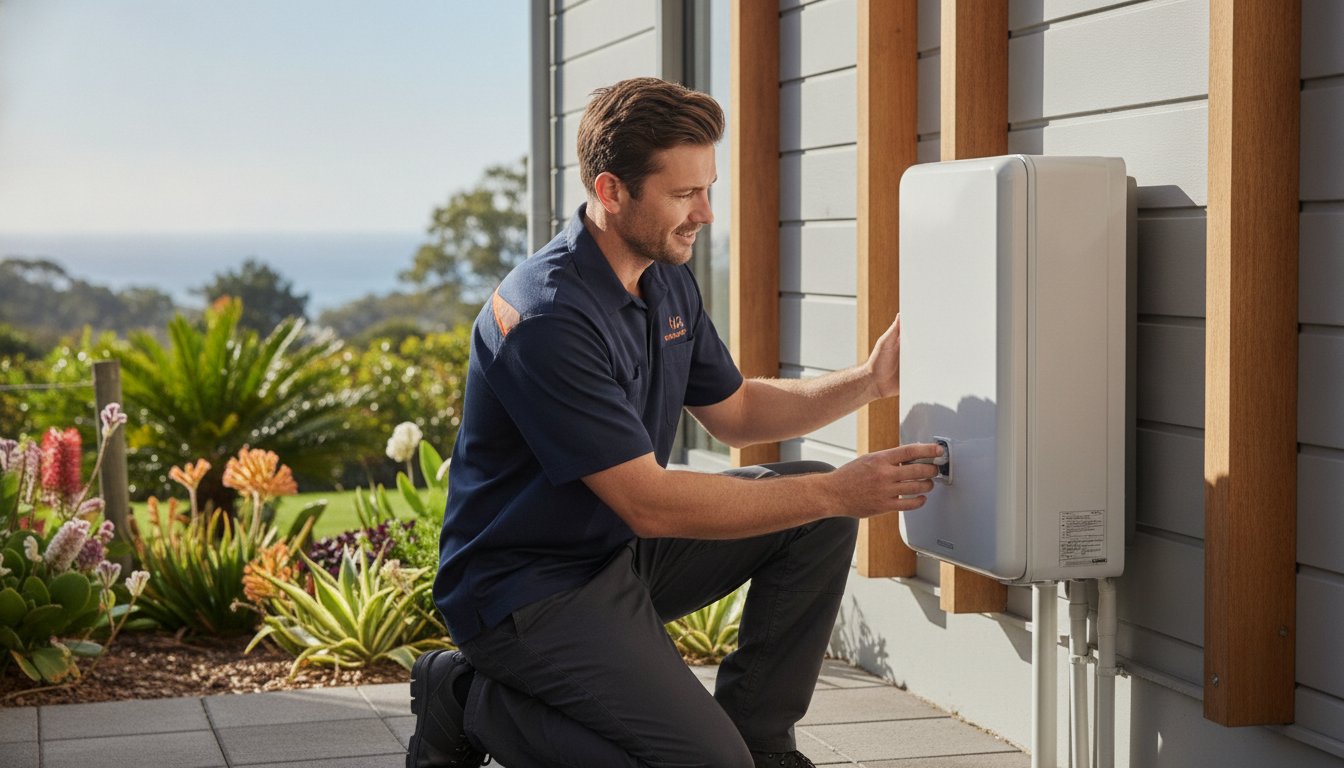
Gas Hot Water Not Working? Troubleshooting & Repairs for Central Queensland
Imagine stepping into the shower on a crisp Central Queensland morning, only to be met with a shocking blast of icy water because your gas hot water is not working. It's a frustrating way to start the day, and it's natural to feel a sense of urgency to get the heat back on. You might be worried about the safety of a potential gas leak or the unexpected expense of replacing the entire unit before you've even had your first coffee.
We understand that a lack of hot water is more than just an inconvenience; it disrupts your family's routine and peace of mind. The good news is that many common issues, from a simple pilot light failure to a basic gas supply disruption, can be identified quickly. This article provides you with a clear roadmap to troubleshoot your system safely and efficiently. You'll learn how to spot the difference between a minor fix you can handle yourself and a complex repair that requires a licensed gas fitter. We'll also cover when it's more cost-effective to repair your current unit or upgrade to a modern, energy-efficient system that complies with the latest Queensland regulations.
Key Takeaways
- Perform basic checks on your LPG bottles and gas supply to rule out simple fuel issues before booking a service call.
- Identify critical safety red flags, such as unusual flame colours or the smell of gas, to ensure your household remains protected.
- Discover the common reasons for your gas hot water not working and which quick fixes you can safely attempt at home.
- Learn how routine maintenance, such as replacing a sacrificial anode, can prevent unexpected breakdowns and extend your unit's lifespan.
- Determine exactly when to transition from DIY troubleshooting to calling a professional for 24/7 emergency repairs in Central Queensland.
Immediate Checks: Why Your Gas Hot Water System Is Acting Up
Finding your gas hot water not working is a sudden, unwelcome shock. Before you assume the unit has failed completely, several external factors might be the cause. Start by confirming your gas supply is actually reaching the appliance. If your home is connected to natural gas mains, check another appliance like a gas cooktop. If the stove burners won't light, the issue lies with the mains supply or your meter's isolation valve rather than the hot water unit itself.
For many residents across Central Queensland, LPG bottles are the standard fuel source. It's surprisingly common for a bottle to run dry at the most inconvenient moment. Check the changeover valve on your regulator. If the indicator has turned red, your primary bottle is empty. Switch to the reserve bottle and book a refill immediately to avoid a total outage. If both bottles feel light when nudged, you've simply run out of fuel.
Testing Your Gas Supply
Is your gas isolation valve open? This handle is usually yellow or red and sits on the pipe leading directly into the heater. It must be parallel to the pipe to allow gas flow. If it has been bumped into a perpendicular position, the gas is cut off. You should also perform a "hot water only" test. If hot water isn't flowing at one specific tap but works perfectly in the rest of the house, the problem is likely a blocked aerator or a faulty mixer cartridge rather than the heating unit.
Don't forget to check your electrical switchboard. Modern high-efficiency systems often require a 240V power connection to run the electronic ignition and internal sensors. If a circuit breaker has tripped during a storm or due to a power surge, the unit won't ignite. In Central Queensland, high mineral content in the water can also cause scale build-up on flow sensors, which may prevent the unit from "sensing" that you've turned the tap on. This is a common issue with various Types of water heaters found in our region.
The Pilot Light: Relighting vs. System Failure
Older storage units rely on a continuous pilot flame to ignite the main burner. In coastal areas like Yeppoon, strong sea breezes can occasionally find their way into the burner assembly and blow the flame out. Peer through the small viewing pane at the base of the tank. If you don't see a small blue flame, the unit cannot heat the water.
Follow the manufacturer’s instructions, usually found on the inside of the access cover, to attempt a relight. This typically involves turning the control knob to the 'Pilot' position, depressing it, and pressing the igniter button. If the flame ignites but goes out the moment you release the knob, your thermocouple is likely faulty. This safety sensor is designed to shut off gas flow if it doesn't detect heat. If the thermocouple has failed or is covered in carbon soot, it will require a professional gas fitter to replace it before your hot water returns.
Continuous Flow vs. Storage Tank: Identifying the Culprit
If you find your gas hot water not working, the first step is identifying which type of unit you have. The mechanics of a large storage tank are vastly different from a wall-mounted continuous flow system. Understanding these differences allows you to pinpoint whether you are dealing with a mechanical failure or a simple setting adjustment. Proper water heater maintenance is the best way to prevent these issues, but when they occur, knowing the specific vulnerabilities of your system is essential.
Common Gas Storage Tank Problems
Storage systems rely on a gas burner to keep a large volume of water hot inside an insulated cylinder. If you notice a pool of water around the base, it often indicates the internal cylinder has perished. This is usually due to the sacrificial anode, a metal rod that prevents corrosion, being completely depleted. In Rockhampton conditions, a standard gas storage tank usually lasts between 8 to 12 years.
Another common culprit is the Pressure Temperature Relief Valve (PTRV). This valve is designed to release a small amount of water during the heating cycle. However, if it is constantly gushing or dripping heavily, the valve may have failed or the thermostat could be stuck, causing the water to overheat dangerously. If you suspect a major leak or a failed valve, it is time to call for professional hot water repairs to secure your home.
Troubleshooting Continuous Flow (Instantaneous) Units
Continuous flow units heat water on demand as it passes through a heat exchanger. If your gas hot water not working involves the unit failing to ignite when you turn on a tap, check your showerhead. Modern low-flow showerheads can sometimes restrict water flow below the unit's minimum activation threshold. This prevents the burner from firing, leaving you with a "cold water sandwich" effect where the water fluctuates between warm and icy as the burner struggles to stay lit.
These units often communicate through digital error codes. If your Rinnai or Rheem controller is flashing a specific number, check the manufacturer’s manual to identify the fault. For Central Queensland residents, hard water is a significant factor. Mineral scale can build up inside the narrow copper pipes of the heat exchanger, reducing efficiency or causing the unit to overheat and shut down. If the thermostat is set too low or the unit is undersized for your household’s peak demand, you may find the water never quite reaches a comfortable temperature during winter.
Red Flags: When Gas Hot Water Issues Become a Safety Hazard
Dealing with your gas hot water not working is frustrating, but certain symptoms require immediate action to protect your home. While many hot water issues are simple mechanical failures, others involve the combustible nature of the fuel itself. Safety must always be your first priority. If you detect a distinct "rotten egg" odour near your unit, you likely have a gas leak. Extinguish all open flames immediately. Do not operate light switches or electrical appliances, as even a tiny spark can trigger an explosion. Open all doors and windows to ventilate the area and move away from the source of the smell.
Beyond the smell of gas, visual cues can alert you to hidden dangers. Inspect the burner flame through the viewing window of your storage tank. A healthy flame is sharp, stable, and blue. If the flame appears lazy, yellow, or orange, it indicates incomplete combustion. This is a serious fault that produces carbon monoxide. Similarly, look for black soot or heat discolouration on the external cabinet or around the flue terminal. These marks suggest that the flue is obstructed or the burner assembly is dangerously dirty, preventing exhaust gases from escaping your home safely.
Strange noises are another common warning sign. Banging, popping, or rumbling sounds, often referred to as "kettling," occur when mineral deposits trap water at the bottom of the tank. This trapped water turns to steam and pops as it escapes the sediment layer. While this doesn't always indicate an immediate explosion risk, it signals that the unit is under significant stress and may be overheating.
The Danger of Carbon Monoxide
Emergency Shutdown Procedure
If you suspect a leak or a serious malfunction, follow these steps to secure the system. First, locate the gas isolation valve, usually found near the gas meter or at the base of the heater, and turn the handle 90 degrees to the "off" position. Next, turn off the cold water supply valve to the heater to prevent further leaking or pressure build-up. If a valve feels stuck or rusted, do not use excessive force or tools to turn it, as this can snap the pipework. Once the system is isolated, contact a licensed gas fitter for an urgent safety inspection. Never attempt to restart a system that has shown signs of a gas leak or carbon monoxide production until it has been professionally cleared.

Maintenance & Prevention: Avoiding Future Cold Showers
Prevention is always more cost-effective than an emergency call-out. If you find your gas hot water not working, it is often a sign that routine maintenance has been overlooked. By performing a few simple checks and scheduling professional servicing, you can avoid the stress of icy showers and extend the life of your appliance by years.
The most critical component in a storage system is the sacrificial anode. This magnesium or aluminium rod sits inside the tank and attracts corrosive minerals, sacrificing itself so the steel tank doesn't rust. Because Rockhampton's water quality can be harsh on internal components, this rod typically depletes every three to five years. Replacing it is a fraction of the cost of a new tank and can effectively double the lifespan of your unit.
Sediment flushing is another essential task. Over time, minerals settle at the bottom of the tank, creating an insulating layer between the gas burner and the water. This forces the burner to run longer to reach the desired temperature, increasing your gas bills and wearing out the tank's base. Periodically flushing the system removes this build-up and restores heating efficiency.
Don't forget the Pressure Temperature Relief Valve (PTRV). You should test this valve every six months by gently lifting the lever for a few seconds. If water flows freely and stops immediately when you release the lever, the valve is functioning correctly. If it's stuck or won't stop dripping, it needs replacement to prevent dangerous pressure build-up inside the cylinder.
Extending Your System’s Lifespan
Rockhampton’s high humidity and outdoor environments present unique challenges. Ants, wasps, and spiders often build nests inside the burner assembly or the flue of outdoor units, which can cause ignition failure. If you discover your gas hot water not working after a storm or a long period of inactivity, pests are often the silent culprit. Keep the area around your heater clear of long grass, debris, and garden mulch. A professional service every two years ensures these pests are cleared and that all internal sensors are calibrated correctly.
The Legal Side: Why DIY Gas Work is Not an Option
Gas is a volatile fuel that requires strict adherence to Australian Standard AS/NZS 5601. Attempting to repair your own gas lines or burner components is not only dangerous but illegal. If a fire or leak occurs as a result of unlicensed work, your home insurance provider will likely void your policy, leaving you personally liable for all damages. In Queensland, all gas work must be performed by a plumber or gas fitter holding a current QBCC gas work license.
Protect your home and ensure your system remains efficient by scheduling hot water system repairs or a comprehensive maintenance check with our licensed team.
Expert Hot Water Repairs in Rockhampton and Yeppoon
When you discover your gas hot water not working, time is of the essence. CQR Plumbing provides a 24/7 response for emergency situations, ensuring your family isn't left without essential services for long. We understand the specific infrastructure of the Capricorn Coast, from the natural gas networks in Rockhampton to the LPG-dependent homes in Yeppoon and Emu Park. Our team brings quiet competence to every job, whether it's a minor sensor replacement or a full hot water system installation.
We pride ourselves on transparent communication. Homeowners and property managers alike depend on our detailed, upfront quoting to avoid the stress of hidden costs. Our expertise covers the full spectrum of gas hot water technology. We don't just patch up problems; we provide comprehensive solutions that ensure your system operates at peak efficiency and safety. If your unit is beyond repair, we can guide you through the latest energy-efficient models that comply with current Queensland regulations.
Why Choose a Local Gas Fitter?
Choosing a local professional means faster response times when you need them most. We know the local water pressure issues and council regulations that affect Central Queensland plumbing. Our commitment to high-quality workmanship means every repair or installation meets the rigorous Australian safety standards. We treat every home as if it were our own, ensuring all gas connections are secure and all components are thoroughly tested before we leave the site.
Book Your Hot Water Service Today
Don't wait for a total system failure to address your heating issues. Preventative maintenance is significantly cheaper than an emergency replacement and ensures you never have to deal with the shock of an icy shower again. We make the process straightforward and stress-free. Whether you need a sacrificial anode replacement or a complete system upgrade, we provide the technical skill and local reliability you deserve. Get a fast, honest quote for your repair today. Contact CQR Plumbing for reliable hot water repairs today and restore comfort to your home.
Restore Your Hot Water and Peace of Mind
Understanding the difference between a simple LPG bottle swap and a mechanical fault is the first step toward a warm shower. While basic checks can often resolve minor issues, persistent problems with ignition or temperature require professional attention to ensure your home remains safe. Proactive maintenance, such as replacing a sacrificial anode every few years, is the most effective way to protect your investment from harsh Central Queensland water conditions.
Don't let the stress of your gas hot water not working linger any longer. Our team of Licensed QBCC Gas Fitters has been serving the Rockhampton and Yeppoon communities for years, delivering reliable solutions with a 24/7 emergency plumbing response. We possess the technical expertise to diagnose your system quickly and get the heat back on without delay. Whether you need a simple repair or a full system upgrade, we are ready to help.
Get your hot water back today with CQR Plumbing. You can trust our local experts to handle your repairs with the efficiency and transparency your household deserves.
Frequently Asked Questions
How do I know if my gas hot water heater is broken?
Visible signs of failure include a complete lack of heat, rusty water flowing from your taps, or a pool of water forming around the base of the tank. If you hear loud banging or rumbling noises during a heating cycle, these are clear indicators of internal stress. When your gas hot water not working is accompanied by these symptoms, it usually signifies a mechanical failure that requires professional diagnosis.
Is there a reset button on a gas hot water system?
Most modern continuous flow units don't have a physical reset button; instead, you can perform a reset by turning the power off at the wall socket for thirty seconds. Some older storage systems feature a high-limit reset switch on the thermostat. If your system keeps tripping this switch, don't keep resetting it. This is a safety feature indicating the unit is overheating, and it needs an urgent inspection by a gas fitter.
Why is my gas hot water only lukewarm?
Lukewarm water is most commonly caused by a faulty tempering valve, which is designed to mix cold water in to prevent scalding. Other culprits include a thermostat set too low or a broken internal dip tube in storage tanks. In continuous flow systems, mineral scale build-up can insulate the heat exchanger, preventing the water from reaching the desired temperature even when the burner is firing correctly.
Can I relight the pilot light myself?
Yes, you can safely relight a pilot flame by following the specific instructions printed on the inside of your unit's access cover. Most systems require you to turn the control knob to the 'Pilot' position and hold it down while pressing the igniter. If the flame fails to stay lit after several attempts, the thermocouple is likely faulty. This safety component must be replaced by a licensed professional to restore service.
Why does my hot water run out so fast?
If your hot water supply has suddenly decreased, it often indicates a significant build-up of sediment at the bottom of the tank. This mineral layer occupies space meant for hot water and acts as an insulator, making heating less efficient. Alternatively, a broken dip tube might be allowing cold water to mix with the hot water at the top of the tank, leading to a lukewarm shower much sooner than expected.
How much does it cost to fix a gas hot water system in Rockhampton?
Repair costs depend entirely on the nature of the fault and the specific parts required for your model. A simple component replacement, such as a new thermocouple or a pressure relief valve, is a relatively minor expense compared to replacing a major assembly like a heat exchanger. We provide transparent, upfront quotes after a physical inspection to ensure you understand the scope of work required to get your system running again.
How long should a gas hot water system last?
A standard gas storage tank typically lasts between 8 and 12 years in Central Queensland conditions. Continuous flow units often have a longer lifespan, frequently reaching 15 years if they receive regular maintenance. Factors such as local water hardness and the frequency of professional servicing play a massive role in how long your unit remains reliable. Regular anode replacements can significantly extend the life of any storage cylinder.
What should I do if I smell gas near my hot water unit?
Evacuate the area immediately and do not operate any electrical switches, phones, or light sources that could create a spark. Turn off the gas supply at the main meter or the LPG cylinders if it is safe to do so. Once you are a safe distance away from the property, contact a licensed gas fitter for an emergency safety inspection. Never attempt to find a leak yourself using a flame or any other ignition source.
Disclaimer
The information in this article is provided for general educational purposes only and should not be relied upon as professional plumbing, gasfitting, or legal advice. Every property and plumbing system is different, and the information may not be applicable to your specific circumstances. CQR Plumbing recommends that all plumbing and gasfitting work be inspected and carried out by a licensed professional in accordance with applicable Australian Standards and Queensland regulations. If you require advice specific to your property, please contact CQR Plumbing for an assessment.
