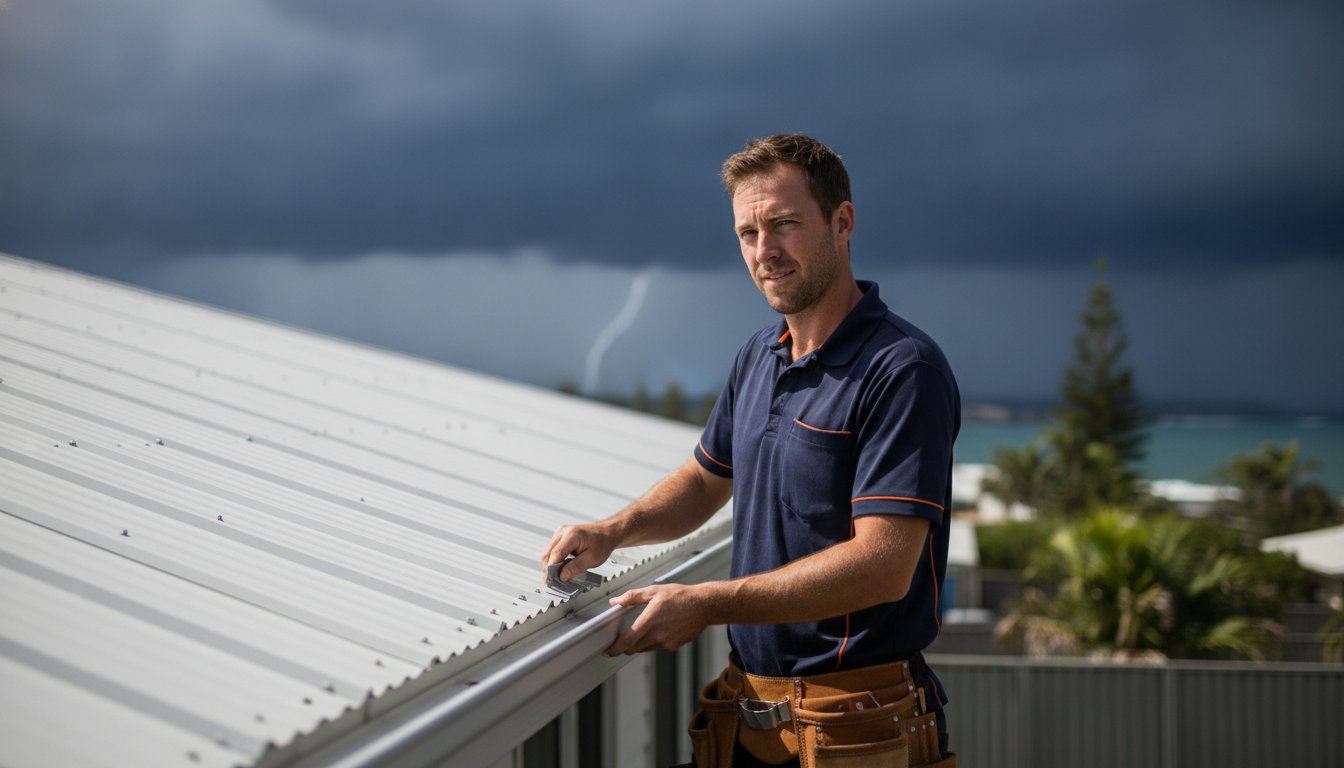
Roof Plumbing Rockhampton: A Homeowner’s Guide to Storm-Proofing Your Property
Effective roof plumbing in Rockhampton is a matter of hydraulic capacity, not just keeping water out. When a Central Queensland tropical downpour hits, your gutters aren't just channels; they're a critical drainage system that must move hundreds of litres of water every minute. You've likely stood on your verandah during a summer storm and watched water cascading over the edge of the guttering like a waterfall, wondering if it's soaking into your eaves or internal ceilings. It’s a stressful experience that many local homeowners face, especially when they aren't sure if their system meets current Australian Standards or if their previous repairs were done by a properly licensed professional.
I've seen first-hand how undersized downpipes and blocked valleys can turn a minor storm into a major insurance claim. This guide will show you how professional roof plumbing protects your property from our extreme weather by focusing on preventative maintenance and correct installation. You'll learn how to identify common failure points, understand the importance of QBCC licensing for your peace of mind, and discover the specific upgrades that ensure your home remains leak-free during even the heaviest rain events.
Key Takeaways
- Learn why Central Queensland’s tropical downpours require specialised roof plumbing Rockhampton systems with significantly higher hydraulic capacity than southern designs.
- Identify the critical role of flashings and box gutters as the primary defence against internal water damage during intense rain events.
- Understand how to evaluate gutter corrosion to determine if a targeted repair or a full replacement is the most cost-effective long-term solution for your home.
- Discover safe, ground-level maintenance checks you can perform to spot early warning signs of leaks and blockages before the storm season begins.
- Gain peace of mind by ensuring all roof drainage work complies with Australian Standards and QBCC licensing requirements for insurance purposes.
Understanding Roof Plumbing in the Rockhampton Climate
In Central Queensland, your roof does more than just provide shade. It acts as a massive catchment area that must shed thousands of litres of water during a single summer storm. Roof plumbing involves the design, installation, and maintenance of the entire rain gutter system, including downpipes and the intricate flashings that seal joints around chimneys and valleys. It is the first line of defence for your home's structural integrity.
Roof plumbing is a specialised trade regulated by the Queensland Building and Construction Commission (QBCC) to ensure all drainage work meets strict safety and performance standards.
Rockhampton’s climate presents unique challenges that southern states simply don't face. While a standard gutter might handle a steady drizzle in Melbourne, it will fail instantly during a Rockhampton afternoon cloudburst. Beyond the sheer volume of water, the intense CQ heat causes significant thermal movement. Metal roof sheets and gutters expand and contract daily, which puts immense stress on joins and sealants. Over time, this cycle leads to material fatigue and cracked seals that allow water to bypass your drainage system entirely.
Roof Plumber vs. Roofer: What is the Difference?
Many homeowners assume any roofing contractor can fix a leak, but there is a distinct difference in expertise. A general roofer typically focuses on the structural installation of roof coverings like tiles or metal sheeting. In contrast, a specialist in roof plumbing Rockhampton residents can trust handles everything related to water management and stormwater connection.
In Queensland, specific licensing is required to work on these components. Hiring an unlicensed person or a general handyman often leads to insurance complications. If a major storm causes internal damage and the investigation reveals the drainage system wasn't installed by a licensed plumber, your insurer may refuse to cover the repairs. It is always safer to verify a contractor's QBCC credentials before any work begins on your drainage system.
Why High-Capacity Drainage is Vital for CQ Homes
The intensity of our tropical rain is the primary cause of gutter overflow. When a gutter reaches its maximum capacity, the water has to go somewhere. If the system isn't designed with adequate "freeboard" or overflow provisions, that water will track back under the eaves and into your ceiling. This causes immediate damage to plasterboard and electrical circuits.
Correctly sized downpipes are equally important. They must be capable of clearing the gutters as fast as the rain falls. If water pools around your home's perimeter because of poor drainage, it can lead to ground saturation and foundation movement. Investing in high-capacity systems isn't just an upgrade; it's a necessity for protecting your property's long-term value.
Critical Components of an Effective Roof Drainage System
A reliable roof drainage system is more than just a few lengths of tin hung from your rafters. It is a precisely engineered network designed to capture and redirect water away from your home's foundation. In the context of roof plumbing Rockhampton, we generally deal with two types of guttering: eaves gutters and box gutters. Eaves gutters are the standard external type most homeowners recognise. Box gutters, however, are built into the roof structure itself. While they offer a sleek architectural look, they carry a much higher risk. If a box gutter fails or overflows, the water has no choice but to enter the building interior, making their maintenance absolutely critical.
Downpipe placement is another area where many local properties fall short. In high-rainfall zones like Central Queensland, the standard "one downpipe per twelve metres" rule often isn't enough. We frequently recommend additional downpipes or larger diameter pipes to ensure the system doesn't choke during a deluge. Managing stormwater on your property effectively requires a clear path from the gutter to the ground. This is also why leaf guards are essential along the Capricorn Coast. Debris from native trees can quickly turn a high-capacity gutter into a stagnant pool, leading to premature corrosion and mosquito breeding grounds.
Gutters and Downpipes: The First Line of Defence
How do you know if your gutters are reaching the end of their lifespan? Look for "tiger stripping," which are those dark vertical lines on the front of the guttering. This often indicates that water is frequently overflowing and taking dirt and tannins with it. You should also check for sagging sections or visible rust in the base of the channel. When gutters sag, water pools instead of flowing toward the downpipe, which accelerates metal fatigue.
Blocked downpipes are a major cause of system failure. They create back-pressure that prevents the gutters from clearing, which can lead to water backing up into the eaves. It's also important to remember that your roof plumbing is directly connected to your underground pipes. If you are experiencing issues with blocked drains at ground level, the water from your roof has nowhere to go and will eventually overflow at the highest point, usually your gutters.
Flashings and Valleys: Where Most Leaks Begin
While gutters are visible, flashings and valleys are the "unsung heroes" of leak prevention. Valleys are the internal angles where two roof planes meet, and they carry the highest volume of water. Over time, the metal in these valleys can develop pinhole rust or "silent leaks" that you won't notice until a brown stain appears on your ceiling. The intense Rockhampton sun is particularly brutal on inferior sealants. Many DIY repairs involve slapping silicone over a gap, but the heat causes the metal to expand and contract so much that the silicone eventually peels away.
A professional flashing replacement involves using the correct grade of metal and high-temperature sealants that can withstand CQ conditions. If you've noticed a persistent drip that only appears during heavy rain, it’s likely a flashing issue rather than a hole in the roof sheet itself. If you're concerned about the state of your roof's components, you can request a professional inspection to identify these hidden faults before the next storm season arrives.
Repair vs. Replacement: Making the Right Call for Your Roof
Deciding whether to patch a leak or overhaul your entire system comes down to the structural integrity of the metal. If you have a single leak caused by a failed sealant joint or a loose bracket, a targeted repair is perfectly logical. However, when rust begins to appear in the "bead" (the rolled outer edge) or the base of the guttering across multiple sections, the material has reached its end of life. In the world of roof plumbing Rockhampton, we often see homeowners spend money on temporary patches only to face the same issues a few months later because the surrounding metal was too thin to hold the repair.
A cost-benefit analysis is essential for long-term savings. Patching a single valley or replacing one downpipe is a minor expense. But if your eaves gutters are sagging and showing signs of widespread corrosion, the labour cost of multiple small visits quickly exceeds the investment of a full replacement. Modern systems don't just stop leaks; they improve your home's street appeal and market value. Using high-quality materials ensures your property can withstand the intense UV radiation and humidity that define our local climate.
When a Simple Repair is Sufficient
Not every drip requires a full replacement. If your gutters are generally sound but leaking at the corners, known as mitres, we can often clean, dry, and reseal these joints using professional-grade neutral-cure silicone. Replacing a few rusted brackets or clearing a blocked "spit" (the outlet to the downpipe) are routine maintenance tasks that can be completed in a few hours. These small interventions are highly effective at extending the lifespan of an otherwise healthy system, provided they are caught before the rust becomes structural.
Choosing Materials for the Central Queensland Environment
The right material depends heavily on your proximity to the ocean. For homes in Rockhampton, standard Colorbond® offers excellent thermal performance and durability. However, if you're out at Yeppoon or Emu Park, the salt spray from the Pacific is far more aggressive. In these coastal areas, we recommend Colorbond Ultra® or stainless steel components to prevent "tea staining" and rapid corrosion. If your existing system is galvanised steel, be aware that it lacks the protective paint layers of modern alternatives and will fail much faster in Central Queensland’s humidity. For a deeper look at the process, you can read our guide on Gutter Replacement Rockhampton to see how we tailor solutions to local conditions.

Homeowner Maintenance: Protecting Your Asset Between Services
Maintaining your roof isn't just about calling in the experts when a cyclone is bearing down on the Fitzroy River. It's about the small, consistent actions you take to ensure your drainage system remains functional year-round. Regular gutter cleaning is truly the cheapest insurance policy you can have against water damage. When organic matter sits in your gutters, it holds moisture against the metal, leading to the rapid corrosion we discussed earlier. It also creates a heavy sludge that can easily block your downpipes, causing the very back-pressure that forces water into your eaves during a storm.
You don't always need to climb a ladder to check the health of your roof plumbing Rockhampton system. Many serious issues leave clear evidence at ground level if you know where to look. For example, if you see splash marks on your external walls or eroded soil directly under your gutters, it’s a certain sign the system is overflowing. Identifying these telltale signs early can save you thousands in structural repairs and mould remediation later on. Keep an eye out for peeling paint on your fascia boards or water stains on the underside of your eaves, as these are early warnings that water is escaping the gutter channel.
The 10-Minute Visual Inspection Checklist
I recommend doing a quick walk-around of your property at least once a month, and definitely after any significant wind event. Use this simple checklist to spot potential failures from the safety of the ground:
- Check for daylight: If you have safe access to your roof cavity, look for pinpoints of light during the day. This indicates a hole in the sheeting or a failed flashing.
- Monitor the footings: Look for pooling water or unusually damp soil near your house footings after rain. This often means a downpipe is cracked or disconnected underground.
- Inspect downpipe outlets: Ensure the base of your downpipes is clear of silt and grass. If the outlet is buried or blocked, the water will back up the entire pipe.
Storm Season Preparation for Rockhampton Residents
In Central Queensland, the window between October and November is the critical time for storm preparation. This is when we transition from the dry season into the period of intense tropical downpours and potential cyclones. If your gutters are already half-full of dry leaves from the winter months, the first storm of the season will likely cause an overflow. High-intensity rain requires every square millimetre of your gutter's capacity to function correctly.
During a severe storm, an overflowing gutter doesn't just drip; it pours. This volume of water can quickly overwhelm your property's ground-level drainage, leading to localised flooding around your doors or garage. If you discover a major leak or structural failure during a weather event, you may need to contact Emergency Plumbing Services to prevent further internal damage. Being proactive now is much easier than dealing with a flooded living room in the middle of the night.
Professional Roof Plumbing with CQR Plumbing
Choosing a specialist for your home's drainage means partnering with a team that understands the specific demands of Central Queensland weather. We specialise in reactive maintenance and insurance-grade repairs, ensuring that every job we undertake meets the highest Australian Standards. Our commitment to roof plumbing Rockhampton homeowners can rely on is built on a foundation of technical expertise and strict QBCC compliance. We don't believe in shortcuts; we believe in doing the job once and doing it right to protect your most valuable asset from the long-term effects of water damage.
Our local experience allows us to diagnose complex leaks that others often miss. Whether it's a subtle capillary leak in a box gutter or an incorrectly installed flashing that only fails during a northerly gale, we have the field experience to find the root cause. We prioritise clear communication and reliable scheduling, so you aren't left waiting around for a tradesman to show up. You'll receive a detailed assessment and a straightforward plan to restore your roof's integrity, backed by the quiet competence of a team that knows local conditions inside out.
Our Approach to Roof and Gutter Repairs
Every project begins with a thorough inspection of your entire drainage system. We don't just look at the visible leak; we evaluate the hydraulic capacity of your gutters and the condition of your downpipes to ensure they can handle a CQ cloudburst. This holistic view ensures that our repairs actually solve the problem rather than just moving the overflow elsewhere. We provide transparent, fixed-price quotes so you have full clarity before any work starts.
Managing stormwater effectively is about more than just gutters. We ensure your system is correctly connected to ground-level drainage to protect your home's footings from saturation and movement. If you've noticed issues during recent storms, you can request a quote for a professional assessment of your roof's health.
Serving Rockhampton, Yeppoon, and the Capricorn Coast
We are proud to be a locally owned and operated business serving Rockhampton, Yeppoon, and the wider Capricorn Coast. This local-roots approach means we're accountable to our community and understand the unique weather patterns of the region, from the salt-laden humidity of the coast to the intense thermal expansion experienced inland.
Our team handles everything from standard residential repairs to comprehensive facilities management for commercial properties. We understand the importance of maintaining a leak-free environment for both families and local businesses. Because we are licensed professionals, you can have total confidence that our work complies with all relevant building codes and will satisfy insurance requirements if you ever need to make a claim. We stand by our workmanship and our commitment to being the most dependable plumbing partner in Central Queensland.
Secure Your Home Before the Next Storm Season
Managing your property’s water shed is about more than just clearing a few leaves. It requires a system with the hydraulic capacity to handle Rockhampton’s unique tropical intensity. By understanding the critical role of flashings, choosing the right materials for our humid climate, and performing regular visual checks, you can prevent minor drips from becoming major structural headaches. Specialist roof plumbing Rockhampton services ensure that every component, from the gutter bead to the stormwater connection, functions as a cohesive unit during a deluge.
CQR Plumbing is locally owned and operated in Central Queensland, meaning we understand exactly what our summer storms can do to a roof. As licensed QBCC plumbers, we provide the technical expertise and insurance-ready documentation you need for total peace of mind. We also offer 24/7 emergency storm response to protect your property when conditions are at their worst. Don't wait for the first brown stain to appear on your ceiling before taking action.
Take the stress out of the wet season by being proactive today. A professional inspection is the most reliable way to ensure your home remains dry and secure, no matter what the weather throws at us.
Frequently Asked Questions
Do I need a plumber or a roofer for a leaking roof in Rockhampton?
You generally need a licensed roof plumber for any issues involving water drainage, such as gutters, downpipes, and flashings. While a general roofer often handles the structural installation of tiles or metal sheeting, a roof plumber is specially trained in water management and hydraulic capacity. In Queensland, this is a specific trade category under the QBCC that ensures your drainage system can handle heavy tropical rain without overflowing into your home.
How often should I have my gutters and roof plumbing inspected?
I recommend a professional inspection at least once a year, ideally before the storm season begins in October. Regular maintenance on your roof plumbing Rockhampton system allows us to identify minor faults like perished sealants or loose brackets before they turn into major leaks. You should also perform your own visual checks from the ground after any severe wind event or unusually heavy downpour to ensure no debris has blocked the outlets.
What are the signs that my gutters need replacing instead of just cleaning?
Gutters require replacement when you notice structural rust, sagging sections that pool water, or "tiger stripping" on the external face. If the metal has developed pinholes or the base of the channel feels thin and brittle, cleaning will no longer be effective. While a simple clean removes debris, it cannot fix material fatigue or corrosion. If you find yourself patching the same leaks every few months, it is a clear sign the system has reached its end of life.
Can blocked gutters cause internal water damage to my house?
Yes, blocked gutters are one of the most common causes of internal ceiling damage in Central Queensland. When water cannot escape through the downpipes, it pools and eventually tracks back under the eaves and into the roof cavity. This leads to stained plasterboard, ruined insulation, and potential electrical hazards if the water reaches light fittings. Ensuring your gutters are clear is the most effective way to prevent these expensive internal repairs.
Does home insurance cover roof plumbing repairs after a storm?
Most insurance policies cover sudden storm damage but specifically exclude issues caused by a lack of maintenance. If a cyclone rips a section of guttering away, you are likely covered. However, if a leak occurs because of long-term rust or a build-up of debris, your insurer may reject the claim. Keeping records of professional maintenance and inspections is the best way to prove you have taken reasonable steps to protect your property from avoidable damage.
What is the best gutter material for homes on the Capricorn Coast?
For properties in Yeppoon or along the coast, I always recommend Colorbond Ultra or stainless steel due to their superior salt resistance. Standard galvanised steel or regular Colorbond can struggle with the constant salt spray and high humidity of the Capricorn Coast, often leading to premature "tea staining" and corrosion. These premium materials are engineered for marine environments, providing a much longer lifespan and better protection against the aggressive coastal elements.
How long does a typical gutter replacement take in Rockhampton?
A standard residential gutter replacement usually takes between one and two days to complete, depending on the size of the home. This timeframe includes removing the old materials, inspecting the fascia boards for any hidden rot, and installing the new channels with the correct fall. We aim to keep the property secure throughout the process, ensuring that the new drainage system is fully functional and ready for rain before we leave the site.
Is a QBCC license required for roof plumbing work in Queensland?
Yes, all roof plumbing work in Queensland valued over $3,300 must be performed by a contractor holding a valid QBCC license. Even for smaller maintenance tasks, using a licensed plumber is essential for insurance purposes and to ensure the work meets Australian Standards. Always verify a contractor's license before they start work on your home. This protects you from poor workmanship and ensures that any repairs are legally compliant and safe.
Disclaimer
The information in this article is provided for general educational purposes only and shouldn't be relied upon as professional plumbing, gasfitting, or legal advice. Every property and plumbing system is different, and the information may not be applicable to your specific circumstances. CQR Plumbing recommends that all plumbing and gasfitting work be inspected and carried out by a licensed professional in accordance with applicable Australian Standards and Queensland regulations. If you require advice specific to your property, please contact CQR Plumbing for an assessment.